
The Central Pacific Cable Initiative
The Central Pacific Cable (CPC) Initiative is a coordinated effort to deliver permanent, high-capacity international connectivity to Pacific Island markets that have historically operated at the margins of global digital infrastructure. This is not a single cable project. It is a structured regional platform, combining submarine trunk capacity, branching architecture, and island spur connectivity into a scalable international network purpose-built for the Pacific.
The initiative addresses a fundamental structural challenge: for decades, Pacific Island nations have depended on satellite-based connectivity, which imposes bandwidth ceilings, latency constraints, and higher wholesale costs that limit both public services and private sector growth. CPC was developed to change that foundation permanently.
Addressing Structural Connectivity Constraints
Pacific Island markets face a connectivity challenge that is structural, not incidental. Geographic isolation, small population bases, and distance from major international cable routes have historically made these markets difficult to serve at scale. The result has been continued dependence on satellite connectivity.
Submarine fiber infrastructure fundamentally changes this equation. By establishing a coordinated regional platform rather than a series of isolated
point-to-point connections, CPC creates a network architecture capable of serving multiple markets simultaneously, sharing capacity efficiently, and expanding over time as demand grows.
The initiative was designed with two objectives in mind: to eliminate the structural connectivity constraints that have limited digital service expansion across the region, and to establish the high-speed internet connectivity and international capacity foundation that Pacific economies need to participate fully in the global digital economy. In doing so, the network is bridging the digital divide between Pacific Island nations and the rest of the world.
Integrated International Access Across 11 Pacific Markets

The CPC Initiative supports international connectivity across key Pacific Island markets. The network currently serves five country-territories, enabling connectivity across 11 Pacific Island markets within its broader regional footprint.
Supported Markets
Through coordinated undersea cable trunk capacity and branching architecture, the system integrates these markets into a resilient regional backbone spanning more than 12,000 route kilometers. The network is structured to provide scalable, resilient international access while maintaining operational security.
The geographic spread of the network’s coverage reflects the initiative’s regional intent: not to serve a single market in isolation, but to build an interconnected Pacific connectivity platform that grows in value as more communities gain access.
Infrastructure Scale and Investment Overview
USD
Invested in Indo-Pacific network development
USD
Total project value
USD
U.S. export and supply-chain impact
USD
Modelled cumulative GDP uplift
Day-one capacity across the network
Route kilometers of international telecommunications network
Branching units and landing stations integrated across the system
Regional and international Points of Presence (PoPs)
Country-territories served
Pacific Island markets enabled
Engineering Design and Capacity Framework
The CPC network integrates several coordinated infrastructure components into a unified regional system. Each element serves a specific function within the broader architecture, and together they enable the network to deliver reliable, scalable international connectivity across geographically dispersed Pacific markets.
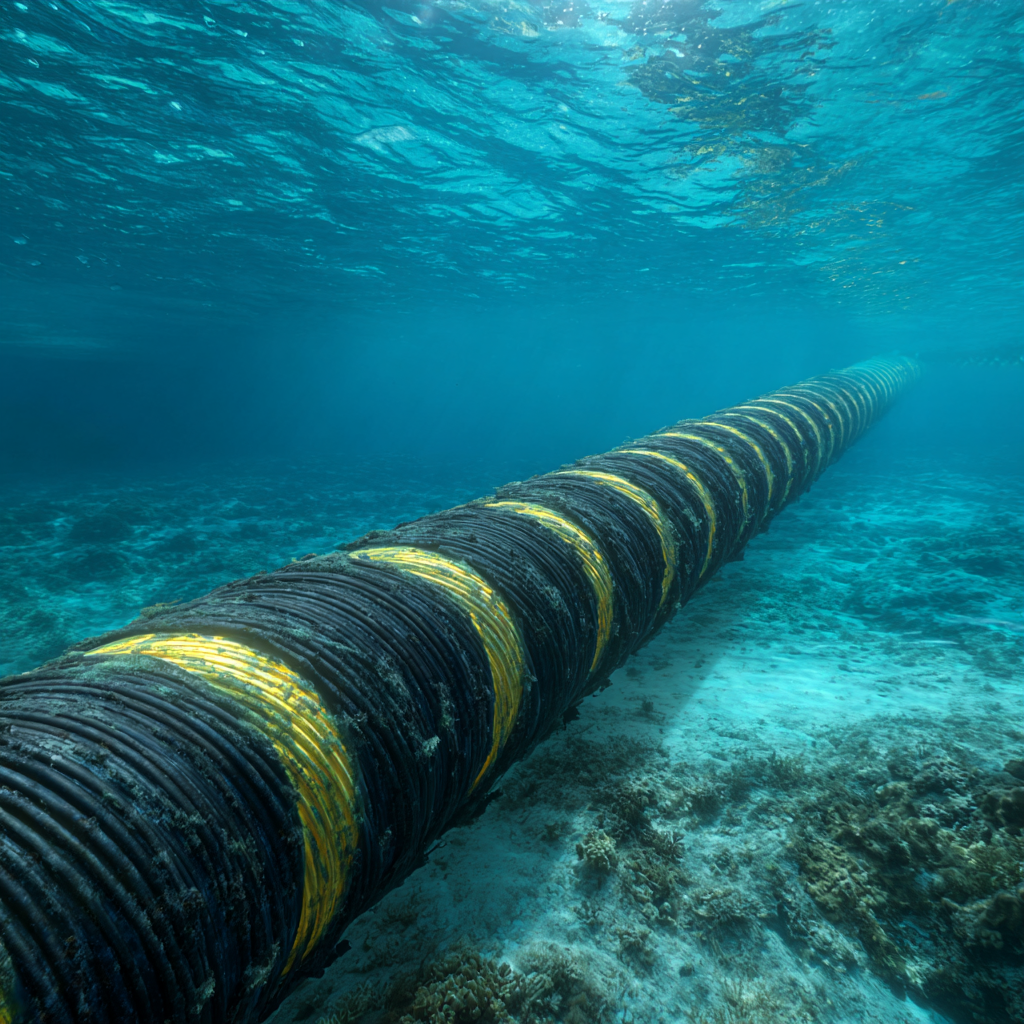
Core Infrastructure Components
- Submarine trunk capacity: The primary international transmission layer, carrying high-capacity data traffic between major network nodes
- Branching unit architecture: Enables connectivity to be distributed across multiple island markets from a single trunk system, avoiding the need for individual point-to-point cables to each destination
- Island spur connectivity: Extends the network from branching points to individual island landing stations, bringing international capacity directly into each market
- Landing station enablement: Shore-based facilities that link to the submarine cable and connect international capacity to domestic telecommunications networks
- Coordinated network management: Centralized oversight of capacity, routing, and performance across the full regional system
Technical Capacity and Design Parameters
- Dense Wavelength Division Multiplexing (DWDM) technology for submarine cables: optical transmission systems operating in the 1550 nanometer wavelength window, enabling multiple high-capacity data channels over a single fiber pair
- Multi-terabit scalable capacity architecture with upgrade pathways through terminal equipment enhancement, without new subsea deployment
- 25-year engineered system design life
- Multiple Points of Presence (PoPs) supporting diversified international routing
This architecture ensures that capacity can expand in line with traffic growth while preserving the underlying subsea asset over the years. The system is engineered to serve Pacific Island markets not just at connection, but across decades of digital demand.
Socio-Economic Impact Across Pacific Nations
The transition from satellite-based connectivity to submarine fiber infrastructure represents a structural shift in what Pacific Island nations can achieve digitally. It is not simply an upgrade in connection speed. It is a change in the underlying foundation of national telecommunications, one that reaches across public services, private enterprise, and long-term economic development. Reliable telecom infrastructure built on fiber optic submarine cables enables services and opportunities that simply could not be sustained at scale before.
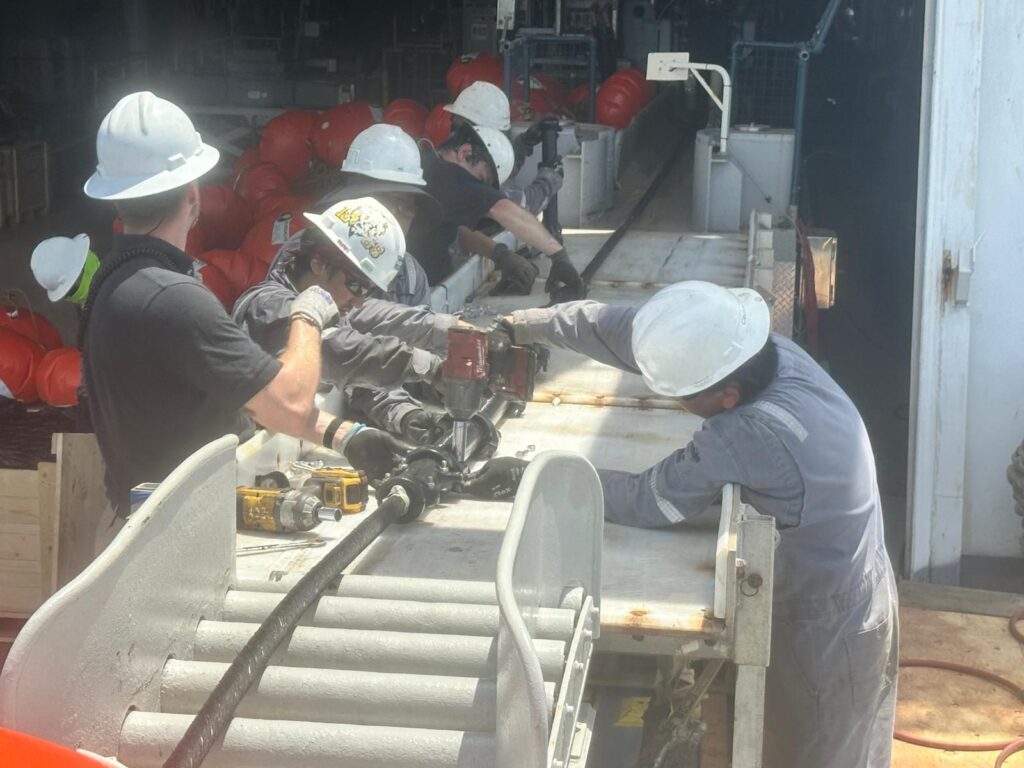
What This Means in Practice:
- Stable telemedicine and remote specialist healthcare delivery
- Reliable distance education and digital classroom platforms
- Digital government services and improved public administration efficiency
- Financial inclusion, e-commerce, and expanded private sector participation
- Remote work access and integration with international labor markets
- Disaster-resilient network solutions for island communities, strengthening emergency communications
Economic modeling associated with increased broadband penetration indicates sustained productivity gains across supported markets. The CPC network is associated with approximately US$368 million in modeled cumulative GDP uplift, reflecting the long-term value of bringing Pacific economies into higher levels of digital participation.
By strengthening the international connectivity layer, CPC provides the structural foundation required for long-term digital modernization across the region. The infrastructure investment made today creates capacity for decades of growth.
Tuvalu: A Case Study in Structural Connectivity Reform
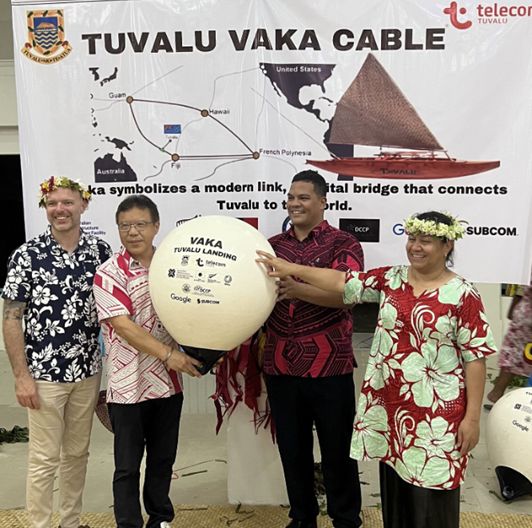
Tuvalu represents one of the most transformational infrastructure milestones within the CPC Initiative. Small in population but significant in what its connectivity story demonstrates, Tuvalu has become the clearest example of what the initiative can deliver.
Through CPC supported infrastructure, Tuvalu has received and activated its first-ever international subsea cable connection. After decades of exclusive reliance on satellite connectivity, Tuvalu now has permanent, high-capacity fiber-based international access.
National Capability Enabled by Submarine Fiber Access
Beyond the technical improvements in latency and bandwidth stability, permanent fiber connectivity enables structural socio-economic advancement across every layer of Tuvaluan society.

- Stable video-based telemedicine and remote specialist consultations
- Reliable digital classroom delivery and distance education platforms, expanding access to quality learning
Improved government data management and service digitization, enabling more efficient public administration - Expanded access to global cloud platforms and digital services for business and individuals
- Greater financial inclusion and digital commerce participation
- Enhanced connectivity for the Tuvaluan diaspora, supporting remittance flows
- Increased resilience in emergency communications and disaster response capability
Long-Term Strategic and Economic Implications
Satellite-based systems impose bandwidth ceilings, latency constraints, and higher wholesale costs that limit what a nation can build digitally. The introduction of submarine fiber infrastructure removes those structural bottlenecks and enables long-term scalability aligned with national development objectives.
Fiber connectivity also delivers an economic multiplier effect. As bandwidth penetration increases, productivity gains, business participation, and service delivery efficiency expand alongside it. Development modeling associated with expanded connectivity indicates sustained GDP growth potential over time.
The establishment of permanent fiber-based international infrastructure gives Tuvalu a telecommunications foundation capable of supporting multi-decade digital modernization and full economic participation. What CPC has delivered in Tuvalu, it is delivering across the Pacific.