
As global demand for data continues to rise, driven by the rapid growth of AI, submarine cables are becoming increasingly critical to the world’s digital infrastructure.
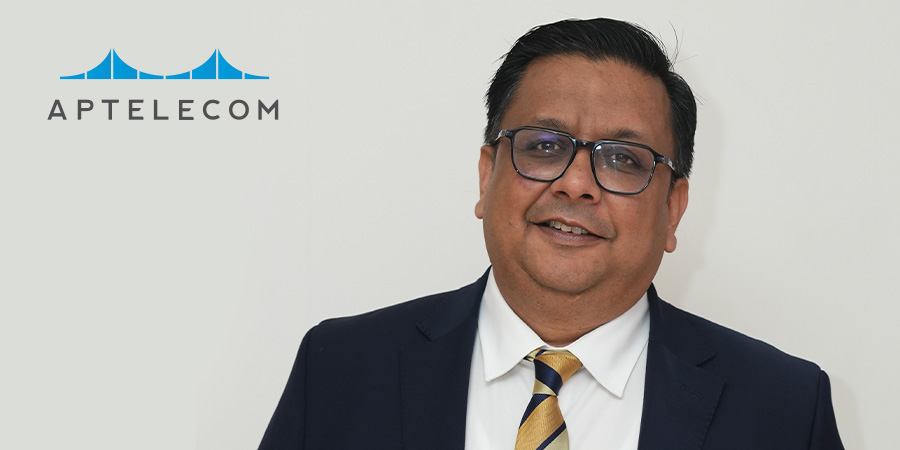
In an article by Anup Gupta from APTelecom, he discusses designing cable systems that can meet both today’s needs and those of the next 25 years, ensuring long-term performance through advanced transmission technologies.
Submarine cables are more than infrastructure. They are a lifeline, supporting essential services and enabling the flow of data required for modern economies. APTelecom’s approach includes the use of AI-driven sensing technologies to monitor cable environments and identify potential threats, helping to maintain reliable and resilient networks over time.
A key priority is ensuring that remote and underserved communities are not left behind. High-capacity, affordable bandwidth is essential for access to services such as healthcare, education, and government support, yet many regions remain disconnected. Projects such as the Central Pacific Cable are designed to address this gap, connecting Pacific Island nations and enabling access to the same level of connectivity experienced in more developed regions.